
Large Photo Printing
For large photo printing, Metro are the service leaders when it comes to supersizing your images for exhibitions, museums or the home.
We recommend the following services:
– C Type: Our professional C Type print sizes start at 152x102mm / 6×4 inches up to 2744x1219mm / 108×48 inches, giving you a huge choice when it comes to producing prints.
– Giclée Printing: Is a great way to produce editions or reproductions of your paintings, illustrations or artworks. Sizes go up to 2133x1524mm / 84×60 inches.
– Direct to Media & Vinyl Printing: We can print your image directly to a flat material of your choice, up to four inches thick and 8 x 10 ft as a single piece.
Vinyl has a high quality inkjet finish and provides ease of application to wall or mounting material due to it’s self-adhesive properties. Perfect when curating and displaying work in large spaces or areas where traditional framing and mounting isn’t suitable. Sizes up to 1500x1000mm / 60″x 40 inches.

Metro’s professionalism, quality & genuine dedication to photographic talent make them our number one choice for exhibition production & printing.
— Lisa Farrell, British Journal of Photography
I’ve worked with Metro for over twenty years – retouching and printing for exhibitions, both in UK and internationally. The team have always been great in producing my work to a high level.at makes them a pleasure to work with.
— Sarah Jones, Artist
It is not only the superior quality of the prints produced – whether they be silver gelatin, c-type, or archival pigment prints – but also Metro’s high level of customer service that makes them a pleasure to work with.
— Iconic images
At Vogue and National Portrait Gallery we can say, without any question, how much we appreciate the quality of the work and service provided by Metro.
— Robin Muir, Vogue 100
We can print large photos on the following materials
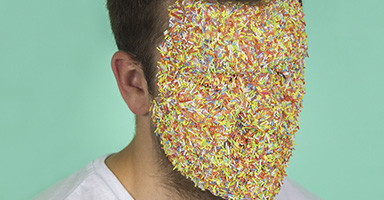
© Terry O’Neill / Courtesy Maddox Gallery.
C Type Professional Photo Printing →
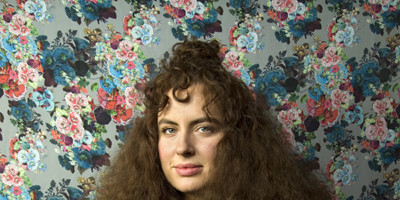
© Terry O’Neill / Courtesy Maddox Gallery.
Fine Art Giclée Printing →
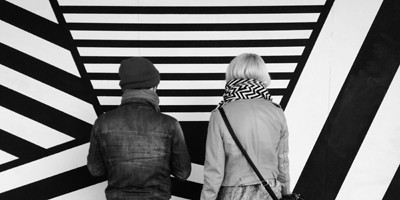
© Terry O’Neill / Courtesy Maddox Gallery.
Black & White Printing →
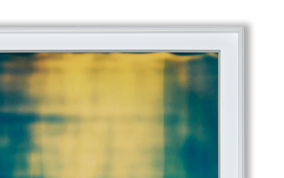
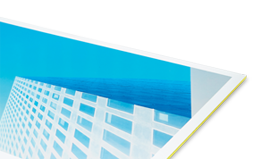
Framing & Mounting
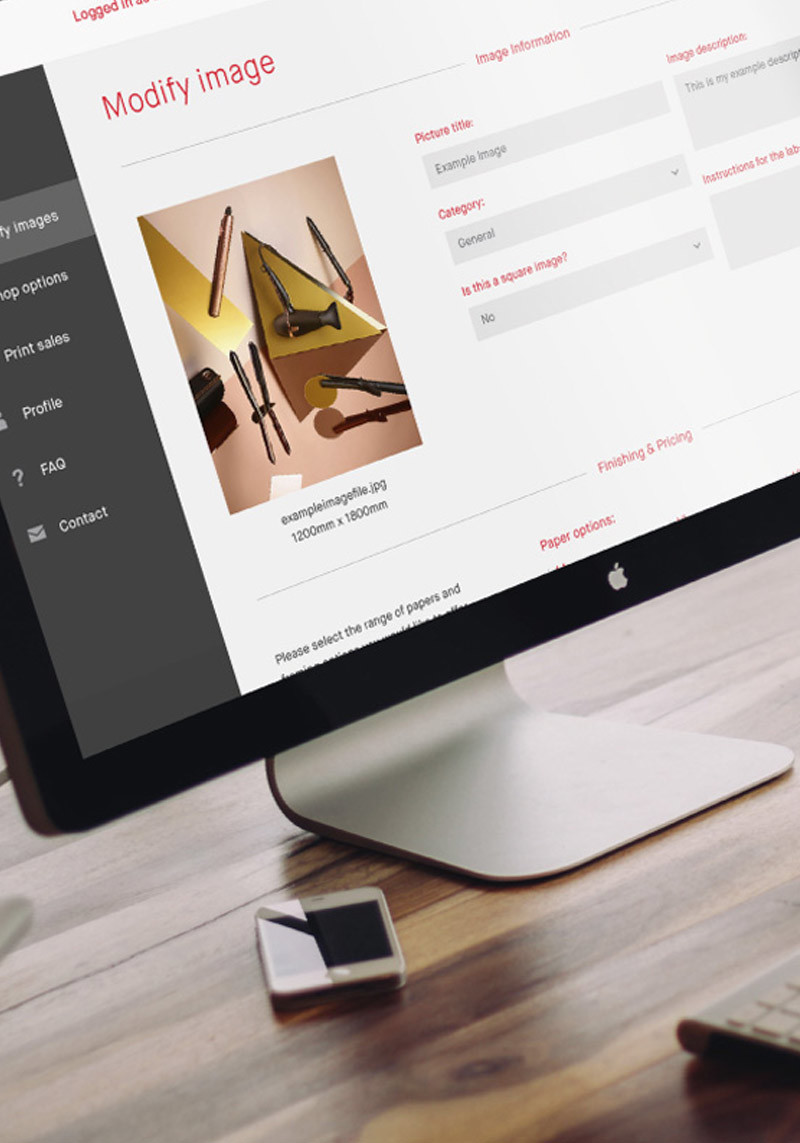
For more information about our services, or for help ordering, please get in touch
The largest print size for a photo depends on the resolution of the image. If you have a high-resolution image, you can print it to a larger size without losing quality. However, if you try to get a large print from a low-resolution image, you will need to print it to a smaller size or the image will start to look pixelated. The exact size can be determined by opening the file in Photoshop or a similar editing program. You can always send through your images to digital@metroimaging.co.uk or contact us and we’ll be able to check your file and advise you.
While both Giclee and Lambda printers print at 300DPI up to sizes of 30×40 inches, above this size printers such as the Lambda, print at 200DPI. However, you can print it to a larger size if you are willing to accept some loss of quality.
The other determining factor is the quality of the lens on the camera used to take the picture, and whether any blur has been produced by camera shake. The pixel dimensions can also have the resolution increased in Photoshop, often to a factor of four, so an A4 image could be printed at A2 if the lens and sharpness was ok to begin with.
When printing a photograph that will be mounted to a material such as Aluminium or Foamex, and where you need the final piece to be an exact size, you need to print your photo roughly 6mm larger than the final size.
The reason for this is that the picture is mounted to the chosen material and then trimmed to the final size. It’s not technically possible to do this without losing a small amount of the image, hence the need to leave a little “bleed”.
Another example of bleed is when for example printing our ‘Fibre Based Black & White” prints. The material is actually paper which is exposed by laser, developed in chemistry and then dried overnight. The paper will actually shrink during this process so you will need to leave some extra material (bleed), if for example you are framing the image and the border needs to be covered by the window mount.
In the case of our own picture framing we would not start creating the frame or cutting the mount if required, before we have the final image.
Our dedicated Fulham framing department can frame pictures up to 8ft x 4ft / 2.4m x 1.75m, sometimes larger. The size of frame that will be possible depends on the thickness of the moulding used.
While the ideal resolution below 1m x 0.75m, is 300dpi. We generally get good results with a resolution of 150dpi or above. If you hve any doubts about the size your image can be printed to, please send it in to us using https://metroimaging.wetransfer.com/ and we will be happy to check the image and advise you.